Tag: Popular Games
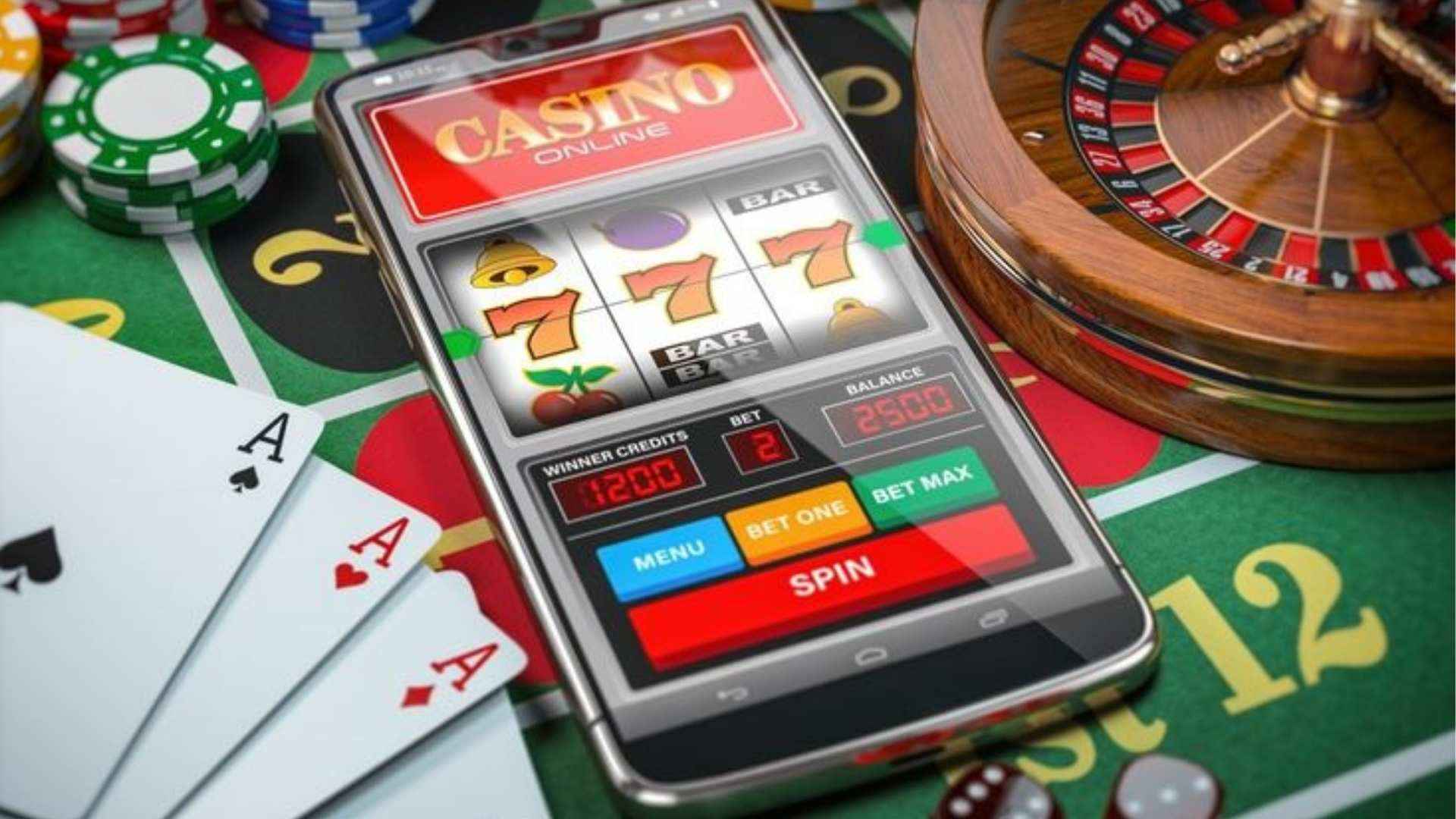
Best Solitaire Games with Classic Design
For decades, solitaire has served as a beloved pastime for individuals seeking a peaceful yet mentally engaging escape. While modern digital adaptations offer flashy animations and complex fantasy themes, many players still yearn for the familiar comfort of traditional card layouts. Finding digital versions that honor this timeless aesthetic can significantly enhance your gaming experience by reducing visual fatigue and keeping the gameplay straightforward.
The Appeal of Traditional Green Felt
Many of the best traditional card games replicate the iconic green felt surface associated with classic casino tables. This minimalist background is not merely a nostalgic choice; it provides a high-contrast environment that makes it easy to read card ranks and suits instantly. By eliminating distracting graphics, these clean interfaces allow players to focus entirely on their spatial planning and strategic moves.
Furthermore, classic green layouts often come paired with standard, highly legible card deck designs that mimic physical Hoyle cards. These vintage elements evoke a sense of authenticity, helping players feel as though they are handling a real deck of cards at home. To experience the perfect balance of traditional aesthetics and smooth digital performance, users often visit platforms like M88 to find beautifully designed game variants that stay true to their roots.
Classic Card Backs and Clean Typography
Another crucial element of classic design is the ornate artwork printed on the back of each playing card. Traditional variations typically feature symmetrical geometric patterns or elegant illustration styles that have been used in card manufacturing for over a century. Replicating these intricate details in a digital format preserves the rich history of physical playing decks.
In addition to back designs, the fonts used for the numbers and suit symbols must remain crisp and unembellished. Standard serif fonts and bold red and black colors ensure that players can make quick decisions without straining their eyes. This level of visual simplicity is especially important during longer play sessions where excessive digital clutter can quickly lead to cognitive fatigue.
Skeptical Features in Modern Layouts
Many modern developers attempt to reinvent the classic game by introducing complex reward systems and elaborate menu screens. However, true enthusiasts often prefer a direct approach that drops them immediately onto the playing board upon launching the application. A simple interface with a responsive undo button and a clear timer represents the peak of user-friendly card game design.
By prioritizing functionality over excessive visual flair, these classic design philosophies ensure that the game remains highly accessible for all age groups. When the gameplay remains uncomplicated, players can truly unwind and appreciate the elegant mathematics behind every shuffle. Ultimately, sticking to classic design principles keeps the spirit of traditional solitaire alive for generations to come.

Table Games That Strengthen Problem Solving
Engaging in tabletop activities does more than just fill an evening with entertainment and laughter. Many classic table games function as cognitive training grounds, requiring players to analyze complex situations, anticipate opponent moves, and make critical decisions under pressure. By regularly participating in these interactive sessions, individuals can systematically sharpen their analytical minds and improve how they tackle real-world challenges.
The Strategic Calculus of Chess
Chess is globally celebrated as the ultimate test of mental foresight and tactical planning. Players must constantly evaluate the board, identify potential threats, and formulate multi-step strategies to outmaneuver their opponent. This continuous cycle of evaluation and adaptation directly enhances executive brain functions and spatial reasoning skills.
Furthermore, chess teaches players to accept the consequences of their actions and learn from failed plans. Every match is a unique logical puzzle that demands creative thinking and intense concentration to resolve. Cultivating these mental habits on the board translates to better decision-making in personal and professional environments.
Tactical Risk Assessment in Card Games
Classic card games present a different type of mental challenge by introducing incomplete information and hidden variables. Players must calculate mathematical probabilities on the fly while simultaneously reading the behavior of their opponents. This dynamic environment teaches individuals how to manage uncertainty and make calculated choices based on shifting risk profiles.
Developing these skills is essential for navigating modern financial and analytical landscapes successfully. For a reliable platform where you can observe strategic card dynamics in action, exploring options at M88 can provide valuable insights into risk management. Consistent practice helps players recognize patterns and make swift, logical adjustments when faced with unexpected scenarios.
Collaborative Logic in Cooperative Games
While competitive setups focus on personal triumph, cooperative table games offer unique opportunities for group crisis management. In these scenarios, players must pool their individual resources and communicate effectively to overcome a shared logical obstacle. This environment closely mirrors modern workplace dynamics, where teamwork and collective brainstorming are vital.
Working together to solve structured game mechanics teaches players how to negotiate, delegate responsibility, and respect diverse perspectives. It also emphasizes the importance of adaptability, as a single unexpected turn can disrupt an entire group strategy. These cooperative victories foster a deep sense of shared achievement and improve interpersonal relations.
Spatial Awareness through Tile Placement
Tile-matching and resource-building table games challenge players to construct efficient systems with limited physical space. Success in these games requires a strong grasp of spatial relationships and long-term planning. Players must optimize their layouts to maximize scoring potential while blocking competitors from taking key territories.
This visual puzzle-solving exercises the brain's geometric reasoning capabilities and encourages lateral thinking. By finding alternative routes to victory when prime spaces are taken, players learn to stay flexible and resilient. Over time, this cognitive flexibility makes it much easier to solve complex spatial and structural problems in everyday life.